
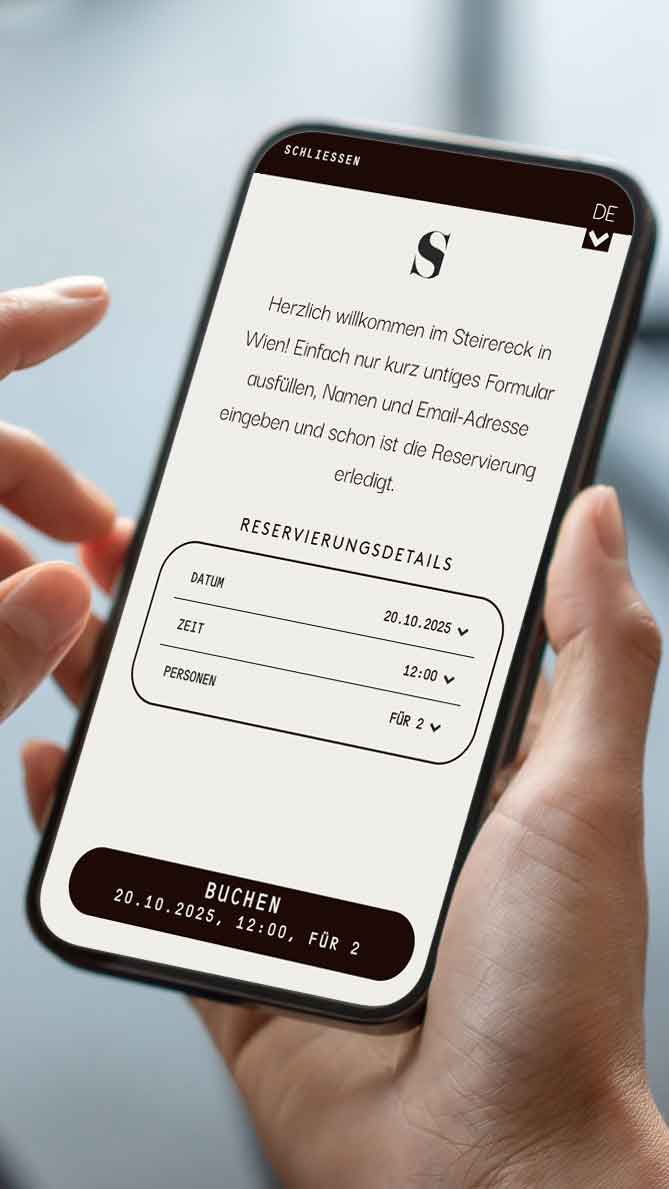
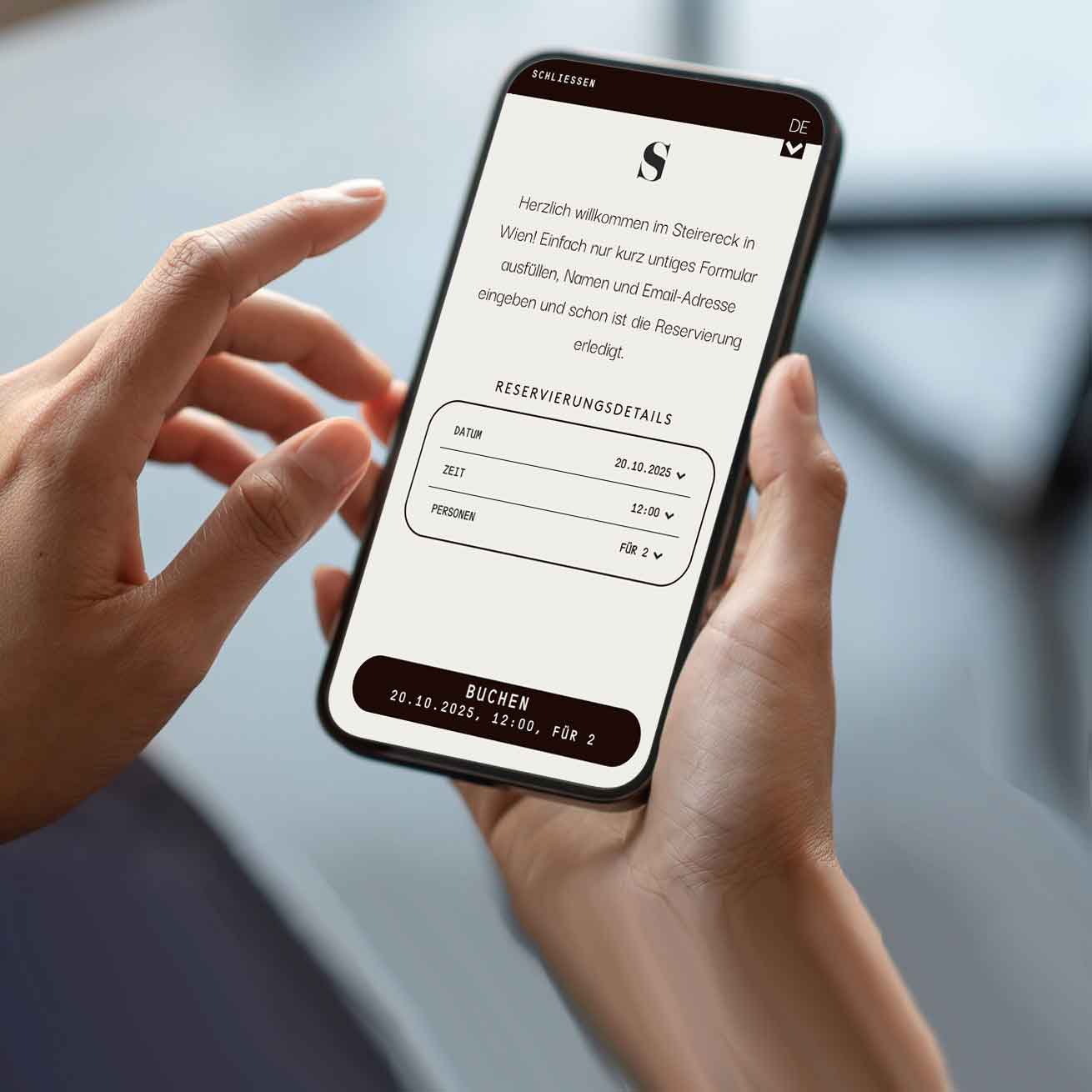
Imagine your guests could book a table at any time – even long after closing – without your team constantly answering the phone. That’s exactly what online reservations are for: they fill empty seats around the clock and let you start the day relaxed, because new bookings appear automatically in your calendar.
In this article, you’ll discover how to choose a reservation system that truly fits your restaurant. You’ll learn what to look for, how aleno can support you, get an overview of popular providers, and receive practical tips to reduce no-shows and ease the workload for your team.
Contents:
- Why a reservation system pays off for your restaurant
- Key criteria for your decision
- Restaurant reservation systems: The 7 best tools compared
- #1 aleno
- #2 TheFork
- #3 OpenTable
- #4 Tock
- #5 Tablein
- #6 SevenRooms
- #7 Resmio
- Is aleno the best reservation system for the hospitality industry?
- Conclusion: What really matters in reservation systems
- Reservation systems for restaurants – FAQs
Why a reservation system pays off for your restaurant
For many guests, booking online is the new normal. Instead of calling after work, they prefer to tap a button on your website or a booking platform. With an online reservation system, you can accept bookings outside your opening hours and no longer need to manually transfer emails or messages into your calendar.
That saves time and protects your team’s energy. Instead of being tied to the phone, your staff can fully focus on guests on-site. If you fill your tables early, you avoid slow periods and increase revenue, because a cancellation doesn’t automatically mean an empty seat. At the same time, you always know which table is booked at which time and what group sizes you’re expecting.
When you can reliably estimate how many guests will come, you can schedule your staff more precisely. That leads to happier employees who can prepare for busy periods instead of being caught off guard. Food waste is also reduced, because you can plan your purchasing more accurately.
A system like aleno also sends automated reminders so guests don’t forget their reservations. That helps you significantly lower your no-show rate. Guests can store their phone number or email address, which you can – with their consent – also use for personalized marketing. This keeps you present in their minds and makes it easier for them to book again.
Key criteria for your decision
Before committing to a reservation system, it’s worth taking a closer look at a few key aspects. In the next section, you’ll learn which features really matter so you gain clarity and your team benefits in day-to-day operations. You’ll get concrete advice on structure, pricing, and useful extras so your business runs as smoothly as possible.
Why a practical reservation system makes all the difference
A reservation system should simplify your daily operations – not make them more complicated. If you manage many tables and also accept last-minute bookings, a clear and simple structure is crucial. Make sure you’re not overwhelmed with unnecessary extras, but instead get the tools that actually support your workflow. In many cases, a visual table plan, automated guest reminders, and optional prepayments are extremely valuable. They help ensure bookings remain binding and your revenue becomes more predictable.
-
No endless clicking: A system with clear, intuitive menus saves you time.
-
Flexible reservation changes: Adjustments and cancellations should be quick and easy.
-
Automated reminders: Remind guests in good time so fewer people simply don’t show up.
-
Prepayments: Give yourself added security when guests cancel at short notice.
How to successfully involve your team
A user-friendly interface is essential if your team uses the reservation system every day. Nobody wants to constantly switch between menus just to adjust times or add a note. Use a trial period to test whether the system feels intuitive and integrates well into your service routine. This reduces training time and keeps stress levels low – both for managers and front-of-house staff.
What to consider when it comes to costs
Pricing models for reservation systems can differ widely. Some providers charge per booking, others work with fixed monthly plans. Take a close look at your average number of reservations to avoid unpleasant surprises. If you’re busy and have a high volume of bookings, it’s usually worth choosing a plan that won’t penalize your success.
Why add-on tools and support matter
Some providers integrate with other tools such as POS systems or PMS solutions (Property Management Systems). This allows you to see in real time which tables are occupied and what that means for inventory or room occupancy.
For a smooth rollout, it helps to have a support team that actively guides you. aleno is happy to answer your questions and show you how to make the most of new or extended features.
Restaurant reservation systems: The 7 best tools compared
If you’re looking for the right reservation system for your restaurant, the following examples are a good starting point. Each solution has its own strengths and focuses on different types of concepts. A closer look at pricing, usability, and features helps you quickly see whether a tool fits your business. Ideally, it saves you time, streamlines your processes, and gives guests a pleasant, frictionless booking experience.
1. aleno
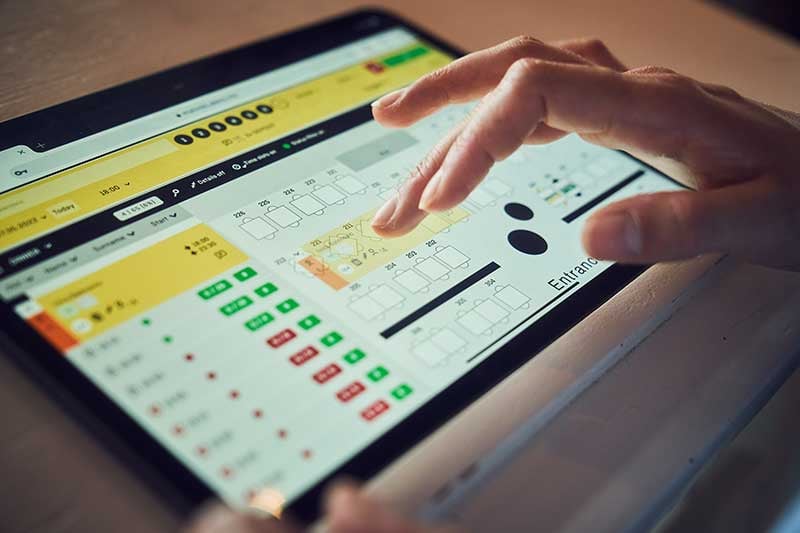
aleno is a digital assistant for restaurants and hotels that includes the most recommended restaurant reservation system in the DACH region. It was developed specifically for – and together with – hospitality professionals. With automated notifications and a seamless booking journey, aleno helps you optimally fill your tables. At the same time, the software collects guest data so you can make each visit as personal as possible.
An intuitive dashboard gives you an instant overview of all current reservations and key figures. As a result, your team spends less time on admin and more time where it matters most: with your guests.
Advantages:
-
Automated reminders: aleno sends confirmations and reminders, helping to significantly reduce no-shows.
-
Flexible table assignment: The integrated table plan makes it easy to adjust reservations and maintain a clear overview.
-
Multi-location overview: Manage several restaurants in a single central dashboard.
-
Ticketing and pre-orders: Let guests pre-select menus and dishes and pay in advance as part of their booking.
-
No third-party ads: Your brand remains front and center – with no external advertising or sponsor logos.
-
POS integrations: aleno connects with many hotel and POS systems.
-
Rich guest profiles: Instantly identify regulars, VIPs, and guest preferences.
-
Telephone reservations: Unlike many systems, aleno can also handle phone reservations automatically, show available tables, and sync all data in real time.
aleno does not work with off-the-shelf pricing – instead, you receive a tailored offer for your business. This gives you a digital assistant that fits your concept and supports both revenue growth and guest experience.
aleno is ideal for restaurants that want to manage bookings efficiently, use data intelligently, and actively optimize revenue. If you handle group reservations or larger events, you’ll benefit from powerful capacity and planning features. Anyone who values effective guest management and careful revenue planning is in the right place with aleno.
"Thanks to aleno, we can communicate more efficiently, respond individually to guest wishes, and generate more revenue."
Paul Sorantin, Director of Revenue, Sacher Hotels
2. TheFork
TheFork is an online reservation platform that lets guests book either directly via TheFork or through your restaurant website. Its large user base increases your visibility and helps you fill more tables.
Advantages:
-
High reach: Millions of users search for restaurants via TheFork.
-
Flexible table management: Reservations are easy to view, manage, and adjust.
-
Automated reminders: Guests receive notifications that help reduce no-shows.
-
Integrations: Compatible with various POS systems and online tools.
TheFork helps you generate more reservations and simplifies the booking process. There are three main plans: a free Visibility plan, the Performance plan at €69/month, and the Enterprise plan at €149/month. A one-time setup fee also applies.
One drawback: reservations made through TheFork usually don’t feed directly into your own guest database. That can make it harder to build and nurture your own guest relationships.
For restaurants that want to boost visibility and automate bookings, TheFork is a reliable option. If you want more control over guest data and direct communication, a restaurant management platform like aleno can offer additional benefits.
3. OpenTable
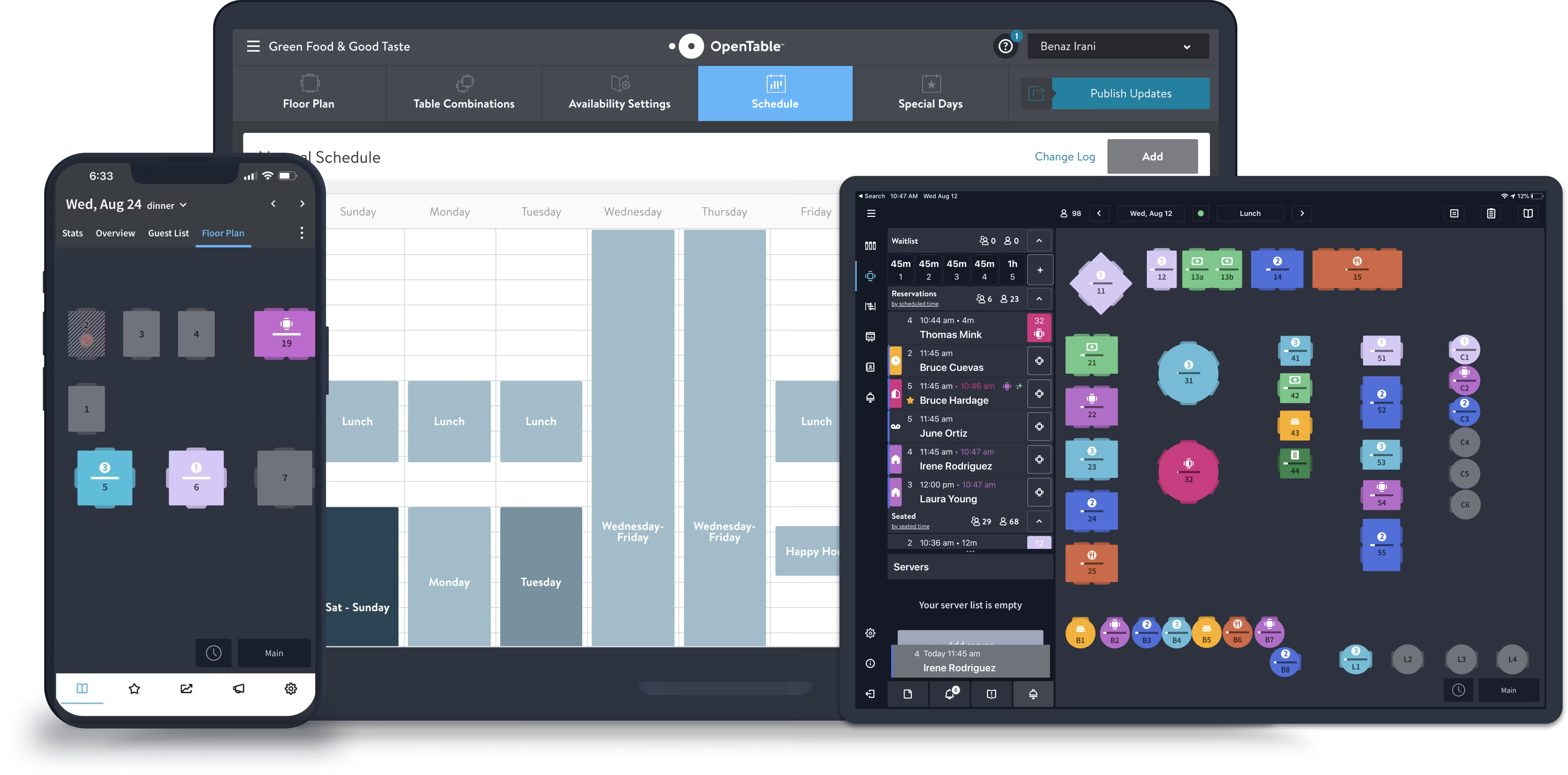
OpenTable is one of the best-known reservation platforms worldwide. Guests can book directly through OpenTable, and restaurants can manage reservations centrally in the system.
Advantages:
-
Large customer base: OpenTable reaches millions of users globally, boosting your visibility.
-
Mobile app: Manage reservations on the go via the app.
-
POS integration: Reservations can be synced with your POS system.
-
Automated reminders: Guests receive confirmations and reminders to reduce no-shows.
OpenTable helps you reach many potential guests and streamline your reservation process. There are two main plans: the Core plan starting at €99/month and the Pro plan starting at €199/month.
On top of the monthly fee, additional costs may apply per reservation generated through OpenTable – something that can add up quickly for busy restaurants.
For smaller businesses, the monthly fees can feel high, and the booking interface offers limited branding options. In addition, OpenTable uses guest data for its own marketing, which may not always align with your strategy.
If your priority is reaching as many international guests as possible via a well-known platform, OpenTable can be a good fit. If you prefer a fixed monthly fee without per-reservation charges and want tighter control over guest data and branding, another system might suit you better.
4. Tock
Tock is a reservation and ticketing system that helps restaurants reduce no-shows and market special experiences. Alongside classic table bookings, Tock lets you sell tickets for exclusive menus or events in advance.
Advantages:
-
Prepaid reservations: Guests pay upfront, reducing no-shows and securing revenue.
-
Flexible system: In addition to standard bookings, you can promote events, set menus, and special offers.
-
Guest data for personalization: Detailed guest profiles support tailored experiences.
-
POS integration: Reservations and guest data can be synced with your POS system.
Pricing is often based on a flat fee per transaction – in many cases around 3% per booking. Tock is particularly interesting for restaurants that sell tickets for special events or menus far in advance.
5. Tablein
Tablein is an online reservation system aimed primarily at small and medium-sized restaurants. It offers a quick setup, clear interface, and transparent pricing without commission fees.
Advantages:
-
Simple setup and use: The intuitive interface makes managing reservations straightforward.
-
Cost-effective: Fixed monthly fees without commissions keep costs predictable.
-
Customizable booking widget: The booking widget can be adapted to your processes and branding.
-
Mobile management: Manage reservations from smartphones or tablets on the go.
Tablein offers several pricing tiers depending on your needs. For restaurants just starting out or with relatively few reservations, pricing starts at around €47/month. Growing restaurants with up to 300 monthly bookings pay around €97/month.
Larger operations can choose a plan from approximately €157/month, which includes unlimited reservations. The simple pricing model and lack of commission fees make budgeting easier.
If you’re looking for an easy-to-use, affordable reservation tool without a lot of complexity, Tablein is a solid choice. For larger restaurants with more complex workflows or businesses that need extensive marketing and CRM capabilities, more feature-rich tools like SevenRooms or OpenTable may be a better fit.
6. SevenRooms
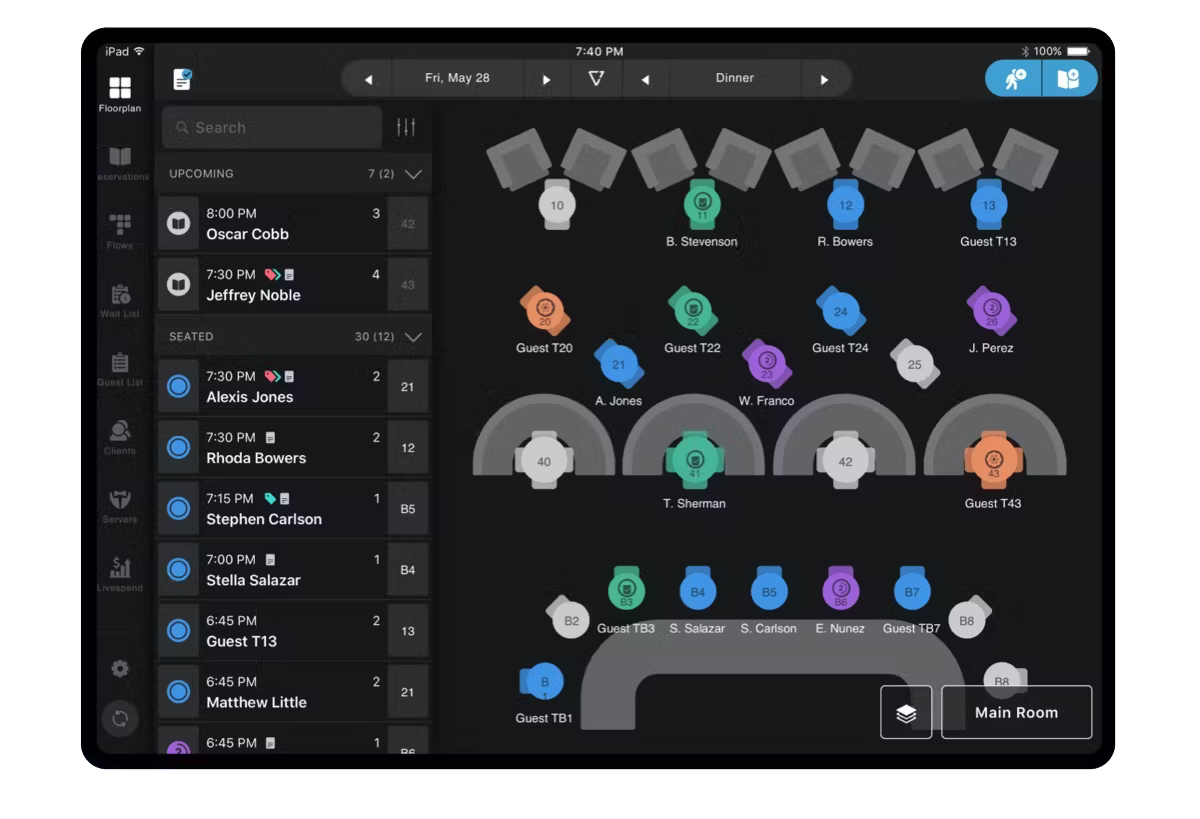
SevenRooms is a US-based reservation and guest management platform. With a strong focus on guest data and marketing automation, it helps restaurants deliver personalized experiences and build long-term guest relationships.
Advantages:
-
Detailed guest profiles: Profiles include preferences and visit histories so you can tailor the experience.
-
Customizable booking interface: Design the booking experience to match your brand.
-
Social media integration: Accept bookings directly via social channels to expand your reach.
-
Automated marketing tools: Launch targeted campaigns based on guest data to strengthen loyalty.
SevenRooms is especially suitable for larger restaurants and groups that want to leverage guest data, personalization, and marketing automation. The system offers several packages plus add-ons that can be tailored to your needs.
Pricing is based on individual quotes, so you receive exact figures only after a consultation. SevenRooms tends to fall in the higher price range among the tools presented here. If you prefer a simpler, more straightforward reservation solution, another system may be more appropriate.
7. Resmio
Resmio is a reservation system that combines online bookings, guest management, and basic marketing tools. It helps restaurants accept reservations 24/7 and improve table occupancy.
Advantages:
-
Intuitive interface: Easy to learn and quick to use in daily operations.
-
Website and social media integration: The booking widget can be embedded into your website and social channels to increase visibility.
-
Guest database: Identify returning guests and target them with personalized offers.
-
Automated reminders: Confirmations and reminders help reduce no-shows.
You can choose between three plans: The Basic plan is free and covers essential features. The Premium plan costs €69.90/month and adds features such as a table plan and personalized widgets. The Ultimate plan at €129.90/month includes all features, including more advanced marketing options and services.
Resmio is a good fit for small to medium-sized restaurants looking for a straightforward solution for online bookings without complex revenue management. For more complex businesses, however, the feature set may be too limited.
Is aleno the best reservation system for the hospitality industry?
aleno combines artificial intelligence and automation to make your reservation management noticeably easier. With smart recognition of guest preferences, no detail goes unnoticed. This combination boosts occupancy while giving your team more time, because many routine tasks run automatically in the background. The result is a more personal dialogue with your guests that strengthens loyalty and grows revenue.
.png?width=1920&name=Design%20ohne%20Titel%20(12).png "Design ohne Titel (12)")
One of aleno’s key strengths is its tight integration with your existing systems. Whether POS software, hotel PMS, or payment tools: aleno offers seamless interfaces so booking data, tables, and payments all work hand in hand.
What you can count on with aleno
-
Fewer no-shows: Automated reminders help you keep more tables filled and increase occupancy.
-
Accurate guest data: aleno analyzes booking behavior and builds complete profiles so you can communicate with guests in a more targeted way.
-
AI-powered table management: Smart table assignment reduces waiting times and idle periods while maximizing revenue per service.
-
Higher revenue per guest: aleno helps you present relevant upsell options and integrates them directly into the booking journey.
Are you looking for an online reservation system that simplifies your daily work and gives you deeper insights into your guests? Then it’s worth trying aleno. Thanks to flexible integrations, it fits almost any type of restaurant concept and steadily expands your options.
If you’d like to learn more, book a free demo and let our experienced F&B experts show you new revenue potential for your restaurant.
Conclusion: What really matters in reservation systems for restaurants
A good restaurant management tool for table bookings helps you offer better service while saving valuable time. You get a clear overview of all reservations, coordinate requests efficiently, and benefit from features like automated messages. These reminders help reduce no-shows and increase revenue. Your team feels the difference too, because all data is stored directly in the system instead of being maintained in manual lists.
Both the core functions and the ease of use are crucial for smooth operations. Make sure the software doesn’t overwhelm your business with unnecessary features but supports your processes in a meaningful way. Also check whether integrations with POS or PMS systems are possible, so reservations and billing work together seamlessly.
If you’re looking for a tool that offers all this and takes your guest management to the next level, aleno is a strong option. aleno relies on automation and intelligent data analysis, so every request is captured quickly and your team has more time for genuine, face-to-face hospitality. Book a non-binding demo and see how aleno can simplify everyday operations in your restaurant.
Request a non-binding demo and discover how aleno can support your business – digital, reliable, and tailored to your daily operations.